

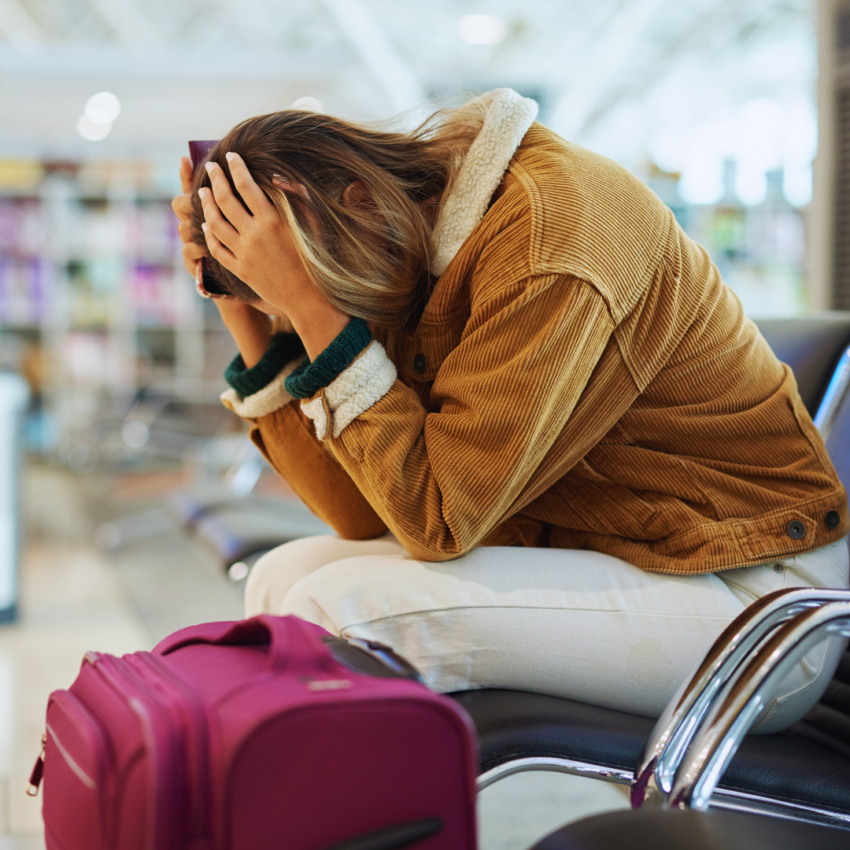
You plan travel that lets your body adapt, not fight the clock. Adjust sleep and wake times a few days before departure, manage light exposure during and after travel, and use hydration and short naps strategically to reduce symptoms. These practical steps help reset your internal clock so jet lag hits less hard, and recovery is faster.
Expect straightforward strategies covering sleep timing, light management, meals, hydration, in‑flight habits, and simple natural remedies to use before, during, and after the trip. The article explains how each tactic affects circadian rhythm and shows when to use them for different flight directions and durations.
Fundamental Strategies to Avoid Jet Lag Naturally
Practical, evidence-based tactics make the biggest difference: adjust sleep timing before travel, use timed light exposure, control meal times and fluids, and prioritise sleep on the plane. These steps directly target circadian rhythm shifts and common jet lag symptoms.
Understanding Circadian Rhythm and Time Zone Adjustments
They should view the circadian rhythm as a roughly 24-hour biological clock driven by light and regular routines. When crossing time zones, the internal clock stays tied to the origin time, which causes symptoms of jet lag such as daytime sleepiness, fragmented sleep, impaired concentration, and digestive disruption.
To reduce jet lag, aim to shift the sleep schedule gradually toward the destination time zone before departure. For eastward travel, shift sleep earlier by 30–60 minutes every night for several days; for westward travel, shift later. This progressive change shortens the time needed for the internal clock to adjust after arrival.
Use a simple rule of thumb: expect about one day per time zone crossed for full circadian adaptation without interventions. Combining sleep schedule changes with light exposure and meal timing accelerates adjustment and reduces symptoms of jet lag.
Pre-Flight Sleep Schedule Optimisation
They should plan sleep changes based on flight times and the number of time zones to cross. If the trip crosses two to four zones, start shifting sleep 2–4 days ahead; for five or more zones, extend changes to one week. Adjust bedtime and wake time by 30–60 minutes per day toward destination timing.
Prioritise consistent wake times and short naps only if necessary. Avoid long naps within 6–8 hours of intended bedtime at the destination, since those naps delay circadian adaptation and worsen sleep fragmentation. Use a sleep diary or phone alarm to enforce gradual changes.
On the flight, try to sleep when it is nighttime at the destination and stay awake when it is daytime there. Use earplugs, eye masks, and a neck pillow to improve in-flight sleep quality and reduce jet lag symptoms after arrival.
Effective Use of Light Exposure and Light Therapy
Light is the strongest cue for circadian resetting, so time it strategically. For eastward travel, seek morning bright light at the destination and avoid evening light; for westward travel, seek evening bright light and avoid early morning light. Bright light means outdoor daylight or a 10,000-lux light box for 20–60 minutes.
Use specific timing relative to target bedtime: exposure within the first few hours after waking advances the clock (good for eastward travel); exposure in the late afternoon or early evening delays the clock (good for westward travel). Conversely, wear sunglasses or stay in dim light during times when light would shift the clock the wrong direction.
Combine light therapy with melatonin when appropriate: a low dose (0.5–1 mg) taken 30–60 minutes before the target bedtime at the destination can help advance sleep for eastward travel. They should consult a clinician before using melatonin regularly or in high doses.
Meal Timing and Hydration for Jet Lag Prevention
Meal timing acts as a secondary circadian cue and can help realign peripheral clocks in the liver and gut. They should adopt destination-timed meals 24–48 hours before travel when feasible. Eating protein at breakfast and lighter meals later can support daytime alertness and nighttime sleep.
Stay hydrated before, during, and after the flight to reduce fatigue and cognitive symptoms. Limit alcohol and caffeine in the 6–8 hours before intended sleep because both disrupt sleep architecture and worsen jet lag symptoms. On arrival, eat at local meal times to reinforce the new schedule.
Natural Remedies and In-Flight/Post-Arrival Techniques
These techniques prioritise timed sleep cues, gentle movement, and nonprescription aids to reset the body clock. They focus on specific doses, timings, and simple behaviours that travellers can apply immediately.
Melatonin and Other Natural Supplements
Melatonin helps shift circadian timing when taken at the right moment. Typical guidance: 0.5–3 mg taken 30–60 minutes before the desired local bedtime for eastbound travel; for westbound travel, a low dose in the evening can help delay sleep. Start taking melatonin the night before travel if crossing multiple time zones, then continue for 2–3 nights after arrival.
Magnesium (100–300 mg) supports relaxation and sleep onset for some people; take with food to reduce stomach upset. Vitamin B12 can aid daytime alertness when used in the morning, but evidence for preventing jet lag is limited. Avoid high-dose stimulants or unregulated supplements. Check interactions with prescription medicines and consult a clinician if pregnant, breastfeeding, or on anticoagulants.
Herbal Solutions: Valerian Root and Passionflower Tea
Valerian root commonly appears in 300–600 mg capsule doses taken 30–60 minutes before bedtime to shorten sleep latency for some adults. It can cause morning grogginess in sensitive individuals, so test ashore before travel. Avoid combining valerian with alcohol, benzodiazepines, or strong sedatives.
Passionflower tea (1–2 grams dried herb steeped 10 minutes or one commercial tea bag) produces mild anxiolytic and sleep-promoting effects without strong next-day impairment for most people. Use it in the evening to ease pre-sleep tension during travel. Both herbs have modest effects; expect subtle benefits rather than rapid resets of the circadian clock. Discontinue if headaches, dizziness, or allergic reactions occur.
Strategic Napping, Movement, and Outdoor Activity
Time naps to prevent deep sleep that disrupts nighttime rest: keep naps to 20–40 minutes and avoid napping within 4–6 hours of planned local bedtime. Use short naps after long flights to reduce excessive sleepiness without shifting sleep pressure too far into the night. Set an alarm and choose a bright, quiet spot if possible.
Move every 60–90 minutes on long flights: walk the aisle, perform ankle circles, and do seated stretches to improve circulation and reduce stiffness. After arrival, seek at least 30 minutes of outdoor light exposure in the morning for eastward shifts and in the late afternoon for westward shifts. Combine brisk walking with sunlight to advance or delay circadian timing faster than light alone.
Creating a Sleep-Friendly Environment While Travelling
Prioritise darkness, cool temperature, and minimal noise to trigger melatonin and deepen sleep. Carry a high-quality eye mask, earplugs or noise-cancelling earbuds, and a thin travel pillow to maintain head and neck alignment on planes and in hotels. Aim for 60–67°F (15–19°C) in sleeping spaces when possible; use breathable layers and a light blanket.
Use white-noise apps or travel-friendly sound machines to mask unfamiliar hotel noises. Limit screen exposure for 60–90 minutes before sleep; if light is unavoidable, wear glasses that block blue wavelengths or enable night-shift display settings. Keep hydration moderate—sip water rather than large volumes before bed—to reduce nighttime awakenings.