

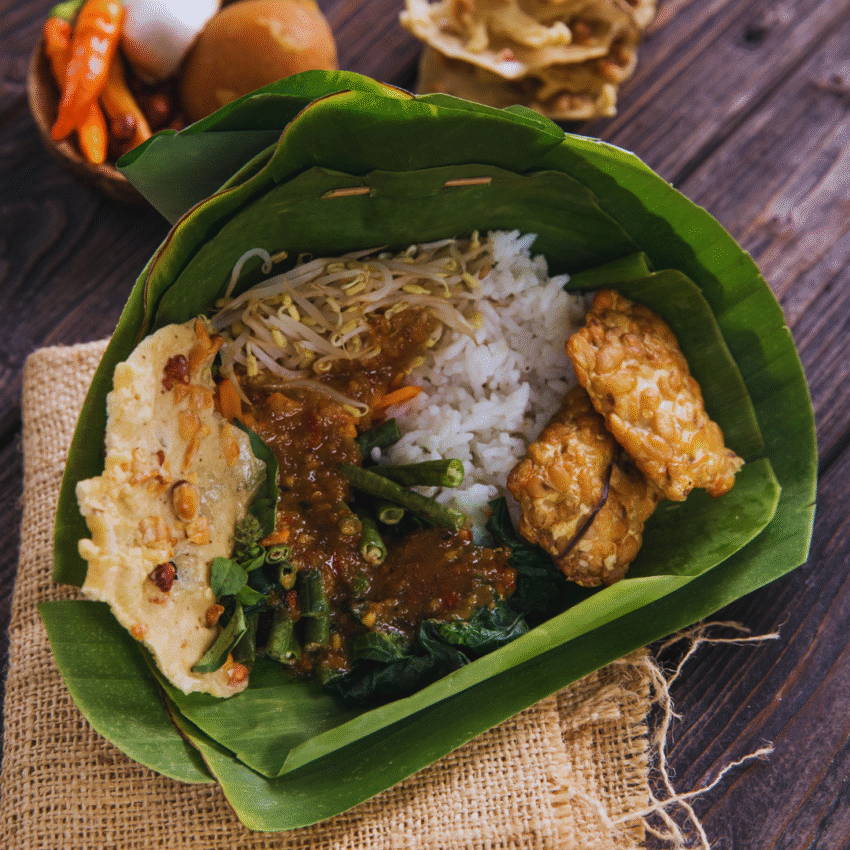
Europe boasts an incredible array of culinary experiences that attract food lovers from around the globe. From the rich flavours of Italy to the vibrant street food of Spain, discovering these top food destinations offers a unique insight into local cultures and traditions. Each country presents distinct ingredients and cooking styles that reflect its history and geography.
Travellers can embark on a gastronomic journey through bustling markets, Michelin-starred restaurants, and quaint bistros. They will find that each region has its signature dishes that tell a story of its heritage. Exploring these food scenes is not just about tasting; it’s about connecting with the essence of the place.
Whether indulging in the delicate pastries of France or sampling authentic Greek mezes, each bite opens up a new world of flavour. Europe stands out as a continent where food transcends mere sustenance, intertwining with art, celebration, and community.
Understanding Europe’s Culinary Traditions
Europe’s culinary traditions reflect a rich tapestry of history, local ingredients, and diverse cultures. Each region brings unique flavours and practices, shaped by geography and available produce. The influence of seasonal ingredients plays a pivotal role, allowing foodies to experience authentic tastes that vary throughout the year.
Rich History of Local Cuisine
Every European country has a unique culinary narrative shaped by historical events, migrations, and cultural influences. In Italy, for instance, the traditional pasta dishes are rooted in ancient Roman times, while French cuisine was significantly influenced by the royal gatherings of centuries past.
Culinary traditions often transmit through generations, preserving recipes and cooking techniques. Countries such as Spain celebrate regional dishes like paella or tapas, highlighting ingredients that are specific to their geographical areas. This connection to history enriches the dining experience, allowing diners to taste the stories behind each dish.
Influence of Seasonal Ingredients and Local Produce
Seasonality plays a crucial role in shaping local cuisines across Europe. Countries prioritise fresh, local produce, often transforming menus to reflect what is currently in season. The UK, for example, promotes farm-to-table practices that highlight the importance of using ingredients at their peak flavour.
In Scandinavia, the concept of ‘New Nordic Cuisine’ emerged, focusing on local, seasonal foods that reflect the region’s natural landscape. This approach not only supports sustainability but also bolsters a sense of community among local producers. By using seasonal ingredients, chefs create dishes that showcase the genuine flavours of their regions.
Food Culture Across the Continent
European food culture is characterised by a strong sense of pride in regional identity. Each country boasts specific eating habits, rituals, and social customs surrounding meals. In France, dining is a communal affair, often lasting several hours, whereas in Italy, meals are infused with family traditions and lively conversations.
Street food has also gained popularity, with vibrant markets in cities like Barcelona and Berlin reflecting local tastes. Food festivals throughout Europe celebrate regional dishes, encouraging foodies to explore diverse flavours. This appreciation for food culture fosters connections among communities, creating a robust landscape that celebrates culinary diversity.
Highlights of Southern Europe’s Food Destinations
Southern Europe is renowned for its diverse culinary landscape, offering a rich tapestry of flavours from seafood to fine wines. The region’s food destinations include vibrant coastal areas with exceptional local produce, making it a haven for food enthusiasts.
Dalmatia: Exploring Seafood and Olive Oil
Dalmatia is famed for its stunning coastline and Mediterranean cuisine. Fresh seafood is a staple, with local catch such as octopus, sardines, and squid featured prominently in dishes.
The region’s Mediterranean climate contributes to the production of high-quality olive oil, celebrated for its rich flavour. Visitors can explore local olive groves and participate in oil tastings, offering an immersive experience.
Popular dishes include pašticada, a marinated beef stew, and black risotto, made with cuttlefish ink, highlighting the rich seafood heritage. Markets overflowing with fresh produce enhance the culinary scene.
Istria and the Pelješac Peninsula: Wine, Oysters, and More
Istria is known for its truffles and exquisite wines, particularly Malvasia and Teran. The region’s vineyards lie alongside rolling hills, creating picturesque settings for wine tours and tastings.
The Pelješac Peninsula complements Istria’s offerings with its renowned oysters, particularly from Ston.
Visitors can indulge in seafood platters along the coastline. The combination of Istrian truffles and local wines makes for unique culinary experiences and tastings. Food festivals celebrate local dishes, encouraging exploration of the region’s gastronomical diversity, making it a must-visit for food lovers.
Gastronomy of Islands: Brač, Korčula, and Pag
Each island boasts its unique flavour profile and specialities. Brač is famous for its sheep’s cheese, often enjoyed with local wines. Korčula, known for its lush vineyards, produces Grk, a white wine unique to the island. Fresh fish, grilled and seasoned, is a highlight of local cuisine.
Pag is celebrated for its cheese, Paški sir, which has a distinct flavour influenced by the island’s herbs. Dining experiences here often include fresh seafood paired with local wines. Exploring the islands reveals a culinary adventure, blending traditional recipes and modern techniques.
Dubrovnik and Split: Fine Dining and Green Markets
Dubrovnik offers a dining scene that marries traditional Dalmatian recipes with modern culinary trends. Upscale restaurants provide fine dining experiences with views of the Adriatic Sea. Local markets, such as the Green Market in Split, offer fresh produce, fish, and regional delicacies. Visitors can sample local cheeses, cured meats, and fresh fruit.
Both cities encourage a farm-to-table ethos, ensuring that dishes are made with the freshest ingredients. Traditional recipes using seasonal produce can be tasted in charming trattorias. This culinary exploration of Dubrovnik and Split showcases a commitment to quality and tradition, enhancing their reputation as top food destinations.
Signature European Foods and Flavours
Europe’s culinary landscape is rich with unique flavours, ingredients, and traditions. From hearty dishes featuring lamb to irresistible sweets like baklava, each region boasts distinct offerings. An array of beverages rounds out the experience, enhancing the flavours of these exquisite foods.
Famous European Dishes and Their Ingredients
European cuisine features a variety of iconic dishes, often relying on fresh, local ingredients.
- Lamb is a staple in many cultures. For instance, Greek lamb dishes often highlight robust flavours with herbs like oregano and garlic.
- In Italy, risotto is a celebrated dish, traditionally made with Arborio rice, stock, and a variety of seasonal vegetables.
- France is renowned for its coq au vin, which uses chicken braised with wine, mushrooms, and lardons.
These dishes showcase the essence of their regions, embodying centuries of culinary tradition.
Sweets and Pastries: From Chocolate to Baklava
Desserts in Europe are equally diverse and enticing.
- Belgian chocolate is world-famous, known for its rich flavour and exquisite craftsmanship. Artisans often create pralines filled with various ganaches, creams, and unusual flavours.
- Baklava, a layered pastry of phyllo dough filled with nuts and drenched in syrup, originates from the Ottoman Empire but is enjoyed across the continent, especially in Greece and Turkey.
- Other notable sweets include French patisseries, with delicacies such as éclairs and macarons, each boasting a delicate texture and unique flavour profile.
These treats reflect local ingredients and traditions, making each bite a unique experience.
Regional Drinks: Wine, Beer, and Pálinka
Beverages play a vital role in European culinary culture, enhancing meals and complementing flavours.
- Wine is produced in many regions, with France famous for its Bordeaux and Burgundy varieties. Each wine reflects the terroir, showcasing unique grape characteristics.
- Beer is equally significant, especially in Germany, where beer purity laws ensure high quality. Varieties include lagers and wheat beers, often enjoyed with hearty meals.
- Pálinka, a traditional fruit brandy from Hungary, is beloved for its distinctive fruit flavours. Commonly made from plums or apricots, it’s typically served as an aperitif.
These beverages not only quench thirst but also serve as cultural symbols.
Traditional Meats and Game
Meat dishes hold a prominent place in European gastronomy.
- Lamb is favoured in Southern Europe, particularly during festive occasions, often marinated with herbs and grilled.
- In Scandinavia, game such as venison and wild boar is common, prepared with seasonal ingredients like berries and root vegetables.
- Spain celebrates meats through dishes like jamón ibérico, a cured ham that reflects the region’s dedication to traditional craftsmanship.
These meats capture the essence of their environments, connecting people to their culinary heritage.
Planning Your Journey Through Europe’s Gastronomic Landscape
Exploring Europe’s culinary scene involves visiting key cities and indulging in unique local delicacies. Each region offers its flavour, shaped by history, culture, and available ingredients.
Must-Visit Cities: Zadar, Šibenik, and More
Zadar and Šibenik are standout destinations on the Adriatic coast, each with distinctive culinary offerings.
- Zadar features fresh seafood, particularly sardines and sole. The seaside eateries often serve these alongside local wines.
- It is also known for Pag cheese, a unique sheep’s milk cheese with a strong flavour influenced by the island’s herbs and salt.
Šibenik, on the other hand, boasts a rich agricultural heritage, enabling a variety of farm-to-table options.
- Visitors can enjoy dishes prepared with fresh vegetables and local olive oil.
- Dining options include traditional konoba (taverns), where guests can savour local wines like Plavac Mali.
Other significant cities such as Split and Dubrovnik also contribute to this gastronomic exploration, each offering unique flavours that reflect their coastal locations.
Culinary Experiences Near Historic Landmarks
Combining culinary experiences with historical sites enhances the journey. In Zadar, one can taste local fare while gazing at Diocletian’s Palace.
- Many restaurants are strategically placed near this ancient ruin, where dishes often feature fresh, local ingredients.
Both cities offer food tours that highlight regional cuisine.
- Local guides provide insights into Zadar’s unique street food scene, featuring items like Croatian fritters.
- In Šibenik, visitors can sample traditional dishes such as pašticada near the impressive St. James Cathedral.
These experiences allow visitors to appreciate not only the flavours but also the cultural context in which they are enjoyed.
Unique Foods and Local Specialities for Foodies
For food enthusiasts, Zadar and Šibenik present a treasure trove of local specialities.
- In Zadar, culinary delights include sea urchins and shellfish, often prepared with simple yet flavoursome techniques.
- Šibenik offers hearty dishes like risotto of lamb or beef stews, infused with spices that mirror the region’s history.
Local markets are invaluable resources.
- They provide fresh produce and special ingredients such as truffles, widely available in the region.
- Visitors can also seek out smaller wineries known for their unique takes on Plavac Mali.
Sampling these unique foods is essential for anyone looking to explore the rich tapestry of Europe’s gastronomic offerings.